11/11/2021 21:44
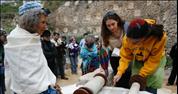
A picture is worth a thousand words. This photo, which was posted by the Women of the Wall, show the Chairwoman of WOW Anat Hoffman and its former director Lesley Sachs sitting on the ground and protecting the Torah scroll, which they intended on bringing into the women’s section of the Kotel so that their fellow worshippers could read from the Torah during this Rosh Chodesh service, which they have been holding, without fail, for over thirty years.
Full Story »
01/10/2021 00:45
On the eve of Sukkot, the cover of the Shas party’s newspaper “HaDerekh” featured an interview with the party leader, Rabbi Aryeh Deri as the lead article. The first item, in order and in importance, they chose to highlight was the delegitimization of the "Reformers" (i.e. Reform Jews).
Full Story »

Uri Regev 14/10/2021 23:32
In the last newsletter, we wrote about “the obsession that characterizes the attitude of the ultra-Orthodox parties towards the non-Orthodox denominations in particular, and to freedom of religion and Jewish pluralism in general.”
Full Story »